

Inside a Drunk Driving Defense: How Cases Are Challenged and Built
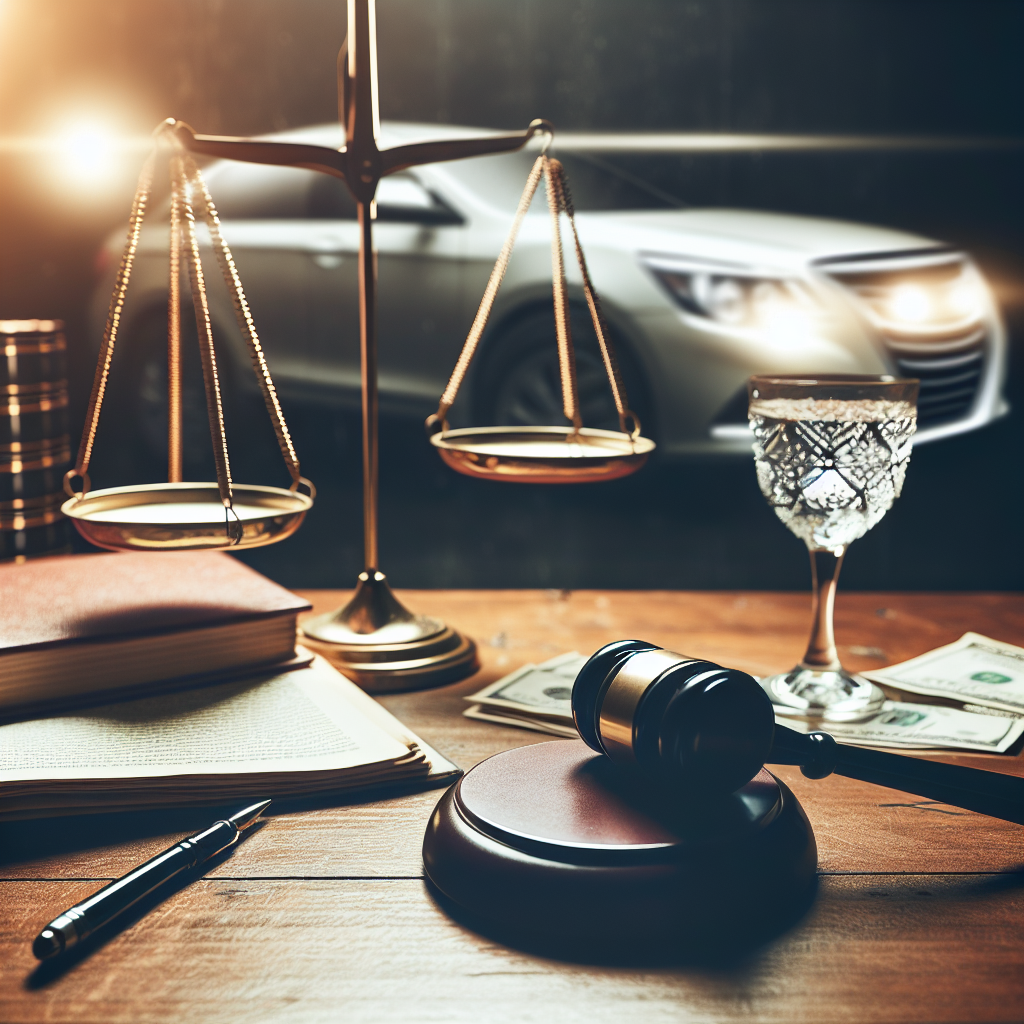
Understanding Drunk Driving Defense
A drunk driving defense is the legal strategy used to contest or mitigate allegations that a person drove while impaired by alcohol or drugs. Although DUI/DWI laws vary by jurisdiction, most cases hinge on a handful of core questions: Was the driver lawfully stopped? Was the investigation conducted properly? Are the chemical test results reliable? And can the prosecution prove impairment or an unlawful blood alcohol concentration (BAC) beyond a reasonable doubt?
Because a conviction can affect freedom, employment, professional licensing, insurance, and driving privileges, a defense often focuses on scrutinizing every step of the process, from the initial traffic stop through testing, arrest, and court proceedings.
Key Elements the Prosecution Must Prove
While the specifics differ by state or country, drunk driving prosecutions commonly rely on one or more of these theories:
- Per se BAC offense: Driving with a BAC at or above the legal limit (often 0.08% for adults in many U.S. jurisdictions).
- Impairment offense: Driving while alcohol or drugs materially affected mental or physical ability, even if BAC is below the per se limit.
- Drug-impaired driving: Impairment by prescription medication, illegal drugs, or a combination of substances (including alcohol).
- Commercial/underage standards: Lower thresholds or “zero tolerance” rules may apply.
A strong defense evaluates which theory is being pursued and targets the weakest links in the proof.
Early Decision Points After an Arrest
Administrative License Consequences
Many jurisdictions impose swift administrative penalties, such as automatic license suspension after a failed or refused chemical test. These actions may be separate from the criminal case and have short deadlines to request a hearing. A defense plan often addresses both tracks simultaneously: preserving the right to drive (where possible) and contesting the criminal charges.
Preserving Evidence
Time-sensitive evidence can disappear quickly. Defense counsel may seek dashcam/bodycam footage, dispatch logs, calibration records for breath machines, maintenance logs, blood chain-of-custody documents, and surveillance footage from nearby businesses. Prompt action can be crucial to a meaningful challenge later in court.
Common Defense Strategies
1) Challenging the Traffic Stop
The legality of the stop is often the first battleground. Police generally must have a valid reason, such as a traffic violation, a reasonable suspicion of impairment, or a properly conducted checkpoint. If the stop lacked a lawful basis, evidence collected afterward may be suppressed in some jurisdictions, which can significantly weaken the prosecution.
2) Examining Field Sobriety Testing
Standardized field sobriety tests (SFSTs) are designed to detect impairment, but they are not foolproof. Defense arguments may focus on whether tests were administered correctly and whether alternative explanations exist for poor performance. Factors often raised include:
- Medical conditions, injuries, age, or neurological issues
- Uneven surfaces, poor lighting, bad weather, or traffic conditions
- Improper instructions or deviations from standardized procedures
- Language barriers, anxiety, or fatigue
A defense may also question whether the officer’s observations were objectively recorded or primarily subjective impressions.
3) Disputing Breath Test Accuracy
Breath tests are common, but reliability depends on proper device function and correct administration. Potential issues include calibration and maintenance failures, operator error, and physiological factors. Some defenses explore whether mouth alcohol (from recent drinking, burping, reflux, or certain dental products) could have inflated results or whether the required observation period was followed. In some cases, machine software, environmental interference, or improper documentation becomes a focal point.
4) Scrutinizing Blood Tests and Chain of Custody
Blood testing is often viewed as highly persuasive, yet it remains vulnerable to procedural errors. Defense counsel may examine whether the sample was collected and stored properly, whether preservatives were used correctly, whether the sample was contaminated, and whether every transfer of the sample is documented. Breaks in chain of custody or laboratory quality-control issues can raise doubts about accuracy.
5) Rising BAC and Timing Defenses
Alcohol absorption is not instantaneous. A person’s BAC can rise after driving, especially if they consumed alcohol shortly before getting behind the wheel. A “rising BAC” argument may contend that the driver was below the legal limit while driving but tested higher later at the station. This defense is fact-specific and may rely on drinking timeline evidence, receipts, witness statements, and, in some cases, expert analysis.
6) Questioning Impairment Evidence
In impairment-based cases, the prosecution may rely on driving pattern, speech, balance, and demeanor. The defense may counter with benign explanations: unfamiliar roads, distractions, fatigue, stress, or medical issues. Video evidence can be pivotal because it may either support or contradict an officer’s narrative about stumbling, slurred speech, or confusion.
7) Addressing Drug-Impairment Allegations
Drug-impaired driving cases can be more complex than alcohol cases because drug levels do not always correlate neatly with impairment. A defense may challenge whether observed signs could be attributable to a medical condition or lawful medication side effects, or whether testing methods reliably identify active impairment versus inactive metabolites. Where “drug recognition evaluator” (DRE) assessments are used, the defense may examine training, adherence to protocol, and alternative explanations.
Plea Negotiations and Alternative Resolutions
Not every case goes to trial. Depending on the strength of the evidence and the defendant’s history, negotiations may seek reduced charges, amended counts (such as reckless driving in some jurisdictions), or sentencing alternatives. Courts sometimes allow treatment-focused outcomes, ignition interlock programs, alcohol education, or diversion programs for eligible first-time offenders. A defense strategy weighs the risks of trial against the certainty and consequences of a negotiated resolution.
Collateral Consequences and Sentencing Considerations
Beyond fines and jail exposure, drunk driving convictions may trigger license suspension, higher insurance premiums, employment complications, travel restrictions, and professional licensing issues. If sentencing is likely, defense counsel may present mitigating factors, such as proactive treatment, counseling, community service, stable employment, and a lack of prior offenses. In some cases, demonstrating steps taken to address alcohol misuse can influence the court’s assessment of future risk.
Choosing the Right Defense Approach
Effective drunk driving defense is rarely built on a single argument. It is typically a layered analysis of legal procedure, scientific reliability, and factual context. The most persuasive strategy often emerges from a careful review of reports and video, a timeline reconstruction, and targeted challenges to the prosecution’s proof. If you are facing charges, pay close attention to deadlines for license hearings and evidence preservation, and consider getting legal advice promptly to protect your options.