

From Invoice to Recovery: A Practical Guide to Creditors’ Rights and Collections
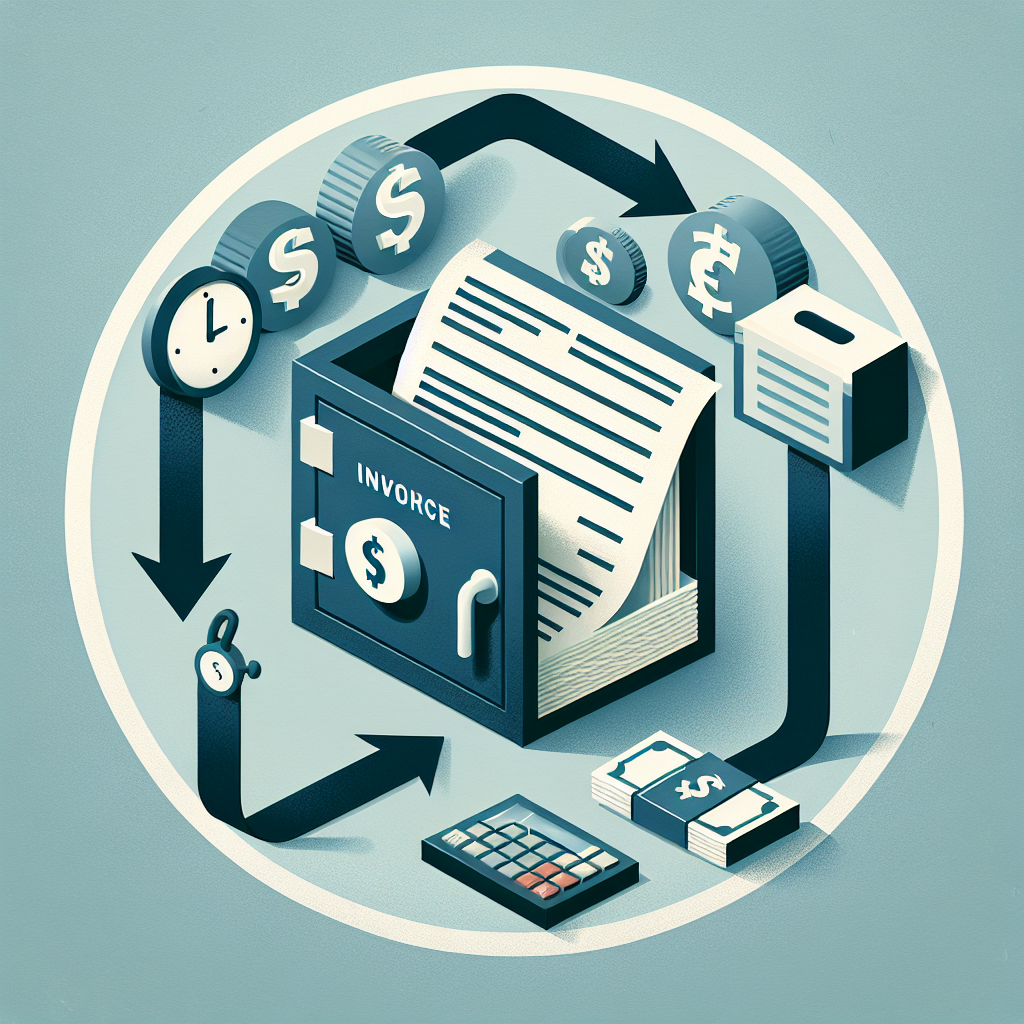
Understanding Creditors’ Rights
Creditors’ rights describe the legal tools and remedies available to individuals or businesses owed money. Whether the debt arises from a loan, a credit card, a supplier invoice, or a judgment, creditors generally have the right to seek repayment and, in some situations, to enforce that right through courts or legally authorized collection methods. These rights are balanced by consumer-protection laws and procedural requirements designed to prevent harassment, deception, and unfair practices.
The scope of a creditor’s rights often depends on whether the creditor is secured (backed by collateral like a vehicle, equipment, or real estate) or unsecured (no collateral, such as many credit cards and service invoices). Secured creditors typically have stronger leverage because they may be able to repossess or foreclose on collateral if the borrower defaults—subject to notice rules and state-specific procedures.
Types of Debt and How They Affect Collection Options
Secured Debt
Secured creditors may enforce their interest in collateral. Common examples include auto loans, mortgages, and equipment financing. If default occurs, a secured creditor may be able to:
- Repossess collateral (often without court involvement if it can be done without “breach of the peace”).
- Foreclose on real property through judicial or nonjudicial processes, depending on jurisdiction and loan documents.
- Apply sale proceeds to the balance and, in some cases, pursue a deficiency judgment for the remainder.
Unsecured Debt
Unsecured creditors typically cannot seize specific property without first obtaining a court judgment. Their leverage is often built around demand efforts, negotiation, and litigation. Once a judgment is entered, additional enforcement mechanisms may become available, such as wage garnishment or bank levies—subject to exemptions and legal limits.
The Collection Lifecycle: From Early Outreach to Enforcement
1) Pre-Collection and Early Delinquency
Most successful recoveries happen early, before positions harden and balances grow. Creditors often begin with polite reminders, account statements, and outreach to confirm whether there is a billing dispute, a cash-flow issue, or an administrative error. At this stage, creditors may offer payment plans, settlement discounts, or revised due dates to encourage voluntary compliance.
2) Demand Letters and Documentation
If informal outreach fails, a written demand letter typically follows. A strong demand letter states the amount due, the basis for the debt, relevant dates, and a deadline for payment or response. Good documentation matters: signed contracts, invoices, delivery confirmations, account statements, communications, and records of partial payments can later become critical evidence if litigation becomes necessary.
3) Working With a Collection Agency or Attorney
When accounts remain unpaid, creditors may assign or place the account with a collection agency, or engage an attorney for formal collection. Agencies usually operate on contingency fees, while attorneys may use hourly billing, flat fees, or contingency depending on the claim and jurisdiction. Creditors should ensure any third party follows applicable laws governing contact methods, disclosures, and dispute handling.
4) Lawsuits and Judgments
If negotiations fail, a creditor may sue for breach of contract, account stated, promissory note enforcement, or other causes of action. Litigation requires careful attention to jurisdiction, service of process, statutes of limitations, and evidentiary requirements. If the creditor prevails, the court issues a judgment—a powerful tool that can open the door to post-judgment enforcement.
Post-Judgment Collection Tools
A judgment does not automatically produce payment; it authorizes collection remedies. Common post-judgment tools include:
- Wage garnishment: A court-ordered portion of wages withheld to satisfy a judgment, often capped by law and subject to exemptions.
- Bank levies: Seizure of funds from a bank account, typically requiring notice and subject to protected amounts (e.g., certain benefits).
- Liens: A legal claim recorded against property (often real estate) that must be addressed before sale or refinancing.
- Debtor examinations: Court-supervised discovery to identify income, assets, accounts, and transfers.
- Execution on property: Seizure and sale of certain non-exempt assets by a sheriff or similar authority.
Because exemptions vary widely, creditors often perform asset investigations before spending heavily on enforcement. A “judgment-proof” debtor may have little collectible income or assets, making negotiated resolution more efficient than aggressive enforcement.
Key Compliance Issues and Debtor Protections
Collections are regulated. Depending on the debt type and who is collecting, federal and state laws may require specific disclosures, restrict contact times and methods, and prohibit misleading statements or harassment. Many jurisdictions also impose licensing requirements for collection entities. For creditors, compliance reduces legal risk and increases the chance of sustainable recovery.
Common best practices include:
- Maintain accurate account histories and itemized balances.
- Honor written disputes and promptly investigate billing errors.
- Avoid threats or claims not supported by law or current intent.
- Use clear, consistent communication that separates principal, interest, and fees.
Negotiation, Settlements, and Payment Plans
Settlements are often practical for both sides. Creditors may prefer a smaller, faster recovery rather than a larger, uncertain one. A well-structured agreement should specify the settlement amount, due dates, consequences of missed payments, and how the debt will be reported or considered satisfied. For payment plans, creditors commonly use automatic drafts, post-dated payments where permitted, or recurring invoicing to increase reliability.
When offering concessions, creditors should document the rationale and approval process to maintain internal controls and to avoid inconsistent treatment across accounts.
Special Topic: Bankruptcy and Priority
Bankruptcy can significantly alter creditors’ rights. An automatic stay typically halts collection activity, and creditors may need to file proofs of claim to participate in distributions. Secured creditors may seek relief from the stay or negotiate adequate protection, while unsecured creditors often receive partial repayment—or none—depending on the debtor’s assets and the bankruptcy chapter. Priority rules can elevate certain claims (such as some taxes or domestic support obligations) over general unsecured debts.
Practical Steps for Creditors to Improve Recovery
- Strengthen contracts: Include clear payment terms, interest and fee provisions where lawful, dispute procedures, and venue/jurisdiction clauses.
- Invoice promptly and accurately: Delays and errors reduce leverage and increase disputes.
- Use credit screening: Credit checks, trade references, deposits, and personal guarantees can reduce losses.
- Track aging and act early: Establish escalation timelines for reminders, calls, demands, and referral to professionals.
- Preserve evidence: Keep signed agreements, delivery confirmations, and communication logs.
- Evaluate collectability: Before suing, assess assets, employment, and the likelihood of bankruptcy.
Conclusion
Creditors’ rights and collections involve a structured progression—from early outreach to litigation and post-judgment enforcement—shaped by the nature of the debt, the presence of collateral, and the legal protections afforded to debtors. By combining solid documentation, timely communication, and compliant collection practices, creditors can improve recovery outcomes while reducing legal exposure. In higher-stakes matters, professional advice can help creditors choose the most efficient path, whether that is settlement, suit, or targeted enforcement.